
Understanding Gambling Odds and Probability
At its core, gambling is a game of chance governed by mathematical principles. Understanding odds and probability is fundamental to making informed decisions, rather than relying solely on luck. Each game, from card tables to slot machines, has a specific house edge, which is the casino’s built-in advantage designed to ensure profitability over time. This edge is not a sign of unfair play, but rather a mathematical certainty that favors the establishment. For those interested in exploring the world of gambling and understanding its various facets, resources and communities can be invaluable, and the website magius-gb.org.uk may offer some insights into UK-based activities.
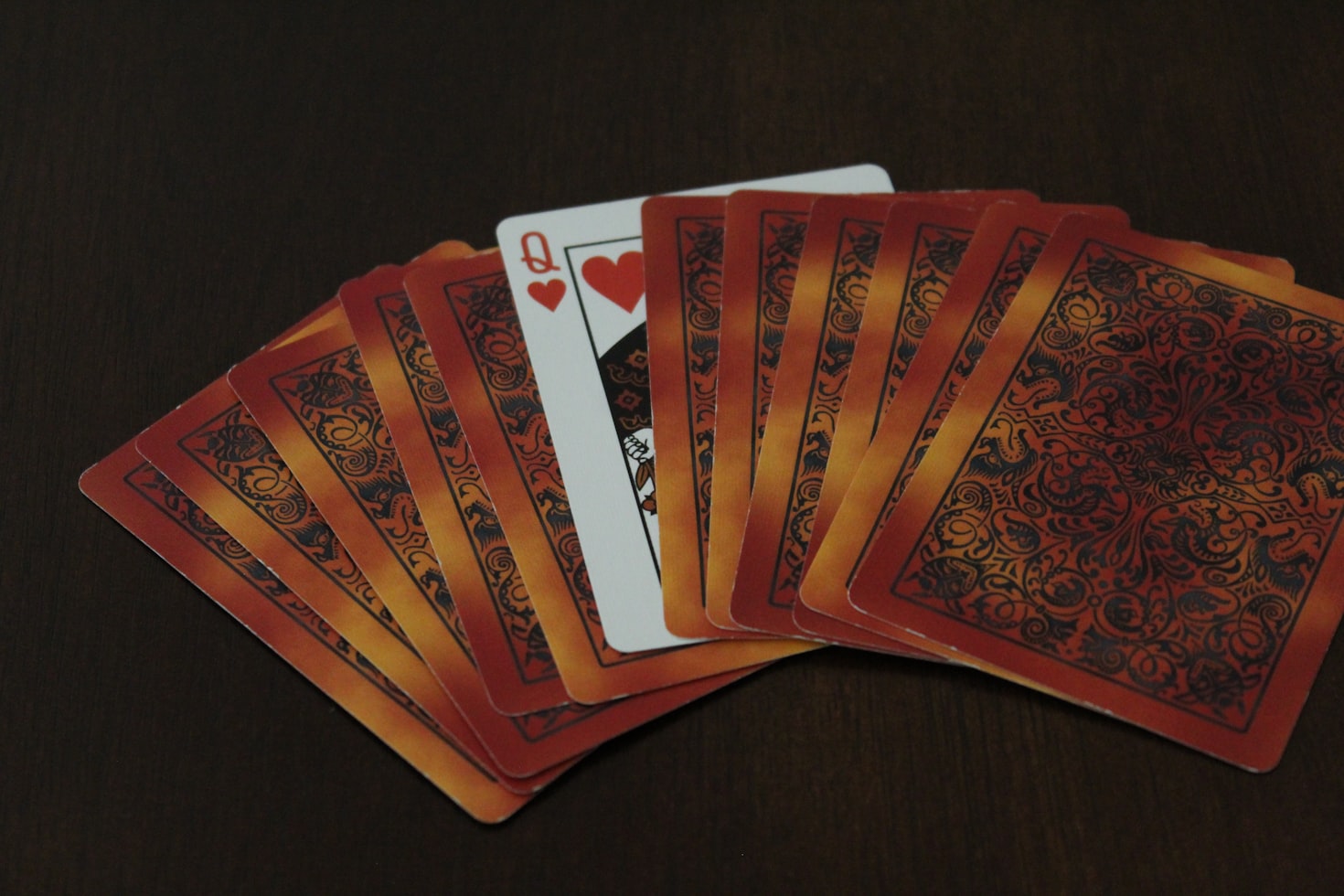
For example, in games like blackjack, while luck plays a part, strategic play can significantly influence the probability of winning. Learning basic strategy charts can help players make optimal decisions based on their hand and the dealer’s upcard, thereby reducing the house edge. Similarly, understanding the payout percentages of slot machines, though often opaque, can guide players towards games that offer a better return to player (RTP) in the long run.
Exploring Different Gambling Trial Strategies
Gambling trial strategies refer to various approaches players employ to manage their bets and potentially improve their outcomes. These can range from simple progression systems, like the Martingale strategy (doubling bets after a loss), to more complex card counting in blackjack. It’s crucial to recognize that no strategy can overcome the inherent house edge in the long term for most games of pure chance.
However, some strategies can help manage bankroll effectively, extending playing time and potentially allowing players to capitalize on short-term winning streaks. Systems like the Fibonacci sequence or D’Alembert progression offer different ways to adjust bet sizes based on wins and losses. These are often used in games with even-money bets, aiming to recover losses with subsequent wins. It’s vital to approach these with caution, as they can lead to rapid increases in bet size and significant losses if losing streaks persist.
The Psychology of Gambling and Risk Management
Beyond the mathematics, the psychology of gambling plays a significant role. Understanding one’s own emotional responses to winning and losing is critical for effective risk management. Chasing losses, driven by a desire to recoup money, is a common pitfall that can lead to devastating financial consequences. Similarly, overconfidence after a win can lead to reckless betting.
A disciplined approach involves setting strict limits on both time and money before engaging in any gambling activity. This includes deciding on a win goal and a loss limit, and sticking to them. Recognizing when to walk away, whether ahead or behind, is a hallmark of responsible gambling and a key component of managing risk effectively. This emotional detachment from immediate outcomes is a sophisticated strategy in itself.
Evaluating the Effectiveness of Betting Systems
The effectiveness of betting systems is a hotly debated topic in the gambling world. While many systems promise to “beat the house,” independent analysis and empirical evidence generally show that they cannot alter the fundamental probabilities of games of chance. Systems that involve increasing bets after losses, for instance, are particularly vulnerable to the reality of table limits and the potential for catastrophic losses during prolonged downturns.
Nonetheless, some players find value in these systems for recreational purposes, helping to structure their play and add an element of strategic engagement. The key is to view these systems as tools for bankroll management and entertainment rather than foolproof methods for guaranteed profit. It’s about playing smarter, not necessarily about achieving an impossible edge against the casino’s mathematical advantage.

Navigating Gambling Opportunities with MAGIUS-GB
For those interested in exploring the world of gambling and understanding its various facets, resources and communities can be invaluable. Organizations and platforms that offer insights into responsible gambling practices, educational materials on game mechanics, and discussions about betting strategies can provide a solid foundation. These platforms often emphasize informed decision-making and risk awareness.
While MAGIUS-GB’s primary focus might be on motorcycle action, any organization providing a platform for discussion or information sharing within the UK context could potentially touch upon related topics or offer a community where such subjects are explored. Understanding the landscape of gambling, including the strategies and psychological aspects, is crucial for any participant, and engaging with reliable information sources is always a prudent approach.